Why Does Norway Say Offshore Operators Are “Targeting” the Market?
When Norway’s gambling regulator says an offshore betting company is “targeting” the Norwegian market, it is describing more than the fact that Norwegians can open the company’s website. The word points to a broader question: is the operator actively trying to attract customers in Norway, despite not holding permission to offer gambling there?
That distinction matters in a country with a tightly controlled, exclusive-rights gambling model. Norway does not treat every international website that happens to be accessible as equivalent to a locally authorized service. Instead, regulators look at how an operator presents itself, whom it appears to serve, and what steps it takes to reach people in Norway. Those signals help explain why some offshore activity attracts regulatory attention—and why searches for “illegal targeting Norway” often lead to questions about marketing, local payment options and sports coverage.
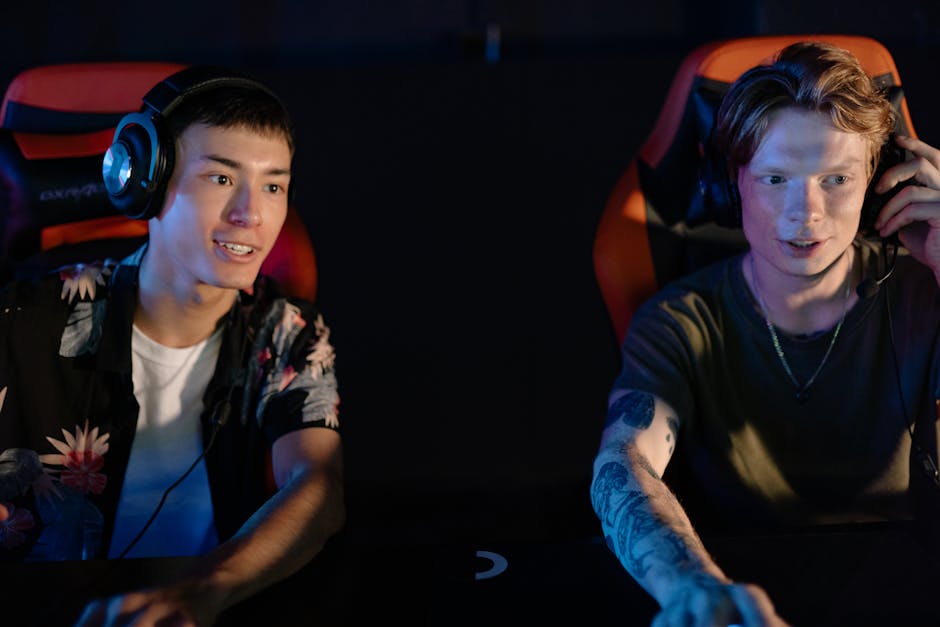
The topic is especially visible in esports. Global League of Legends (LoL) and Counter-Strike 2 (CS2) competitions generate a busy year-round calendar, while Norway’s authorized betting products have a more limited role and scope. That gap can make offshore sites look convenient to esports fans. But availability is not the same as authorization, and a tournament listing is not itself evidence that betting on it is permitted.
Norway’s exclusive-rights gambling model
Norway regulates gambling through an exclusive-rights model rather than a broad system in which multiple private operators apply for local licences to compete. The framework is designed to keep gambling under national oversight, support responsible gambling and limit gambling-related harm. The main state-controlled providers have distinct responsibilities: Norsk Tipping offers a range of games and betting products, while Norsk Rikstoto is responsible for betting on horse racing.
The Norwegian regulator, the Norwegian Gaming and Foundation Authority (often called Lotteritilsynet), oversees the market and works to ensure that gambling is offered in line with national rules. Its work includes monitoring marketing and the availability of unauthorized gambling services. Norway’s approach is therefore not simply “local company versus foreign company.” The central issue is whether the gambling service is authorized to be offered to people in Norway, and whether an offshore operator is trying to build or maintain a Norwegian customer base.
What “targeting” can mean
Regulators can consider a range of indicators when assessing whether a service is directed at Norway. No single feature necessarily answers the question on its own. In combination, however, local-facing choices may suggest that an operator is seeking Norwegian customers rather than merely running a general international website.
- Advertising or promotional material aimed specifically at people in Norway.
- Norwegian-language content, customer support or terms designed for local users.
- Prices, account balances or promotions presented in Norwegian kroner.
- Payment methods or instructions tailored to Norwegian customers.
- Content that emphasizes Norwegian teams, events or audiences as a reason to sign up.
- Direct marketing, sponsorships or influencer activity intended to reach people in Norway.
These are practical examples, not a checklist that automatically determines the legal status of every operator. The regulator’s assessment depends on the service and the surrounding facts. But they help clarify why “the website can be viewed from Norway” is not the only relevant question. A service may be accessible internationally while also using specific features to attract Norwegian users.
Norsk Tipping and Norsk Rikstoto: different roles
Norsk Tipping is the familiar state-controlled provider for many forms of betting and gaming. Its portfolio includes sports betting, and its product Oddsen is the part most relevant to people looking for sports markets. Norsk Tipping also operates within egamersworld.com the national system of controls, including rules and tools intended to support responsible play.
Norsk Rikstoto has a narrower, distinct responsibility: horse-racing betting. It is not simply another version of Norsk Tipping, nor is it the provider of the country’s general sports-betting product. This division reflects the structure of Norway’s exclusive-rights model, in which different kinds of gambling are assigned to authorized providers.
Organization or product Role in the Norwegian market Relevance to esports betting Norsk Tipping State-controlled provider of a range of gambling products, including sports betting Its Oddsen product is the relevant reference point for sports betting, but it does not represent the full global esports market Norsk Rikstoto Authorized provider associated with horse-racing betting It has a separate remit and is not Norway’s general esports-betting provider Oddsen Norsk Tipping’s sports-betting product Its available esports coverage may be limited compared with the international tournament calendarThat difference in responsibilities is worth keeping clear. When someone says that a particular match or esports competition is not listed on Oddsen, that does not mean Norsk Rikstoto fills the gap. Horse-racing betting and esports are separate parts of the market.
Oddsen and the limits of esports coverage
Oddsen gives customers a way to bet on sports through an authorized Norwegian provider. But a regulated product does not have to list every sport, event, market or match available anywhere in the world. Coverage can depend on the operator’s product decisions, event data, risk controls and the rules that apply to its offering.
For esports fans, the result can be a noticeable gap between what is happening globally and what appears on a domestic betting product. A user may find that major competitions are not listed, that only a selection of events is available, or that the number of markets is limited. The exact offer can change over time, so a calendar or old screenshot should not be treated as a guarantee of current availability.
This is one reason the subject of unauthorized gambling comes up in conversations about Norwegian esports. Offshore operators may advertise a much wider selection of competitions and betting markets. That wider selection can be attractive, but it does not establish that the operator is authorized to offer gambling in Norway. Nor does a large catalogue prove that a company is targeting Norway; the question is how the service is marketed and presented to Norwegian users, among other factors.
Global LoL and CS2 calendars versus domestic listings
Esports has a different event rhythm from many traditional sports. LoL and CS2 tournaments are organized across multiple regions, leagues and event formats. A major international event may sit alongside regional competitions, qualifiers and smaller tournaments, creating a near-continuous stream of matches for fans to follow.
For a useful overview of that wider schedule, EGamersWorld’s LoL tournaments page is an example of an esports information resource that tracks competitions and fixtures. Its purpose is to help readers follow the tournament scene; a calendar page should not be confused with an authorized Norwegian betting service. In the same way, CS2’s international tournament circuit can be far broader than the events a domestic betting product chooses to list.
Why the gap is so visible
The difference is not just about the number of games. Global tournament pages organize information for esports audiences across borders, while an authorized Norwegian betting product operates within a specific national framework. The first may list events because they matter to fans; the second must decide which events and markets it will offer within its own product and compliance arrangements.
That contrast can create a simple but misleading impression: if a global site lists a tournament and an offshore bookmaker offers odds on it, the offshore service may seem like the natural place to bet. But tournament visibility, betting availability and legal authorization are three separate things. A match can be easy to follow, difficult to find on Oddsen, and available on an offshore site without that site being authorized to serve Norwegian customers.
- Global calendars show event volume. They help fans see how many LoL or CS2 competitions are taking place.
- Domestic betting listings show product selection. They reflect what an authorized provider makes available at a given time.
- Regulatory status is a separate question. A listing on a website does not by itself establish permission to offer betting in Norway.
Why the regulator focuses on marketing and access
Marketing can turn a service with international reach into one that appears specifically designed for Norwegian customers. A Norwegian-language campaign, local promotional terms or messaging built around Norwegian sports audiences may provide a different picture from a general website that happens to be reachable in several countries. That is why regulators pay attention to the details of how offshore operators communicate and distribute their offers.
The concern is not limited to the moment someone places a bet. Promotion can introduce a service to new customers, encourage account creation and make gambling appear like a routine part of following sport. In esports, sponsorships, social-media content and creator partnerships can blur the line between tournament coverage and gambling advertising. The setting may be global, but the audience reached by a campaign can still include people in Norway.
When researching “illegal targeting Norway,” readers should therefore avoid treating the phrase as a label for every foreign gambling website. A careful explanation asks whether the operator has authorization, what the regulator says about the specific conduct, and what evidence points to an effort to reach Norwegian customers. The Norwegian regulator’s findings and current guidance are more useful than assumptions based only on a brand’s country of registration or the fact that its site loads in a browser.
What esports fans should keep in mind
- Check the distinction between information and betting. A tournament page such as EGamersWorld’s LoL calendar can help you follow events, but it is not a Norwegian gambling licence.
- Understand who operates the product. Oddsen is Norsk Tipping’s sports-betting product; Norsk Rikstoto has a separate horse-racing role.
- Do not equate a wide market list with authorization. A site offering odds on more LoL or CS2 events is not automatically permitted to serve Norwegian customers.
- Look for current regulator information. Rules, enforcement and product availability can change, so rely on up-to-date official sources for legal questions.
The bottom line
Norway uses “targeting” to describe conduct that may show an offshore gambling operator is actively pursuing people in the country—not merely operating a website that can be accessed from abroad. Localized language, promotions, payments and audience-focused marketing can all matter, depending on the circumstances. The country’s exclusive-rights model places Norsk Tipping and Norsk Rikstoto in defined roles, while Oddsen provides sports betting within Norsk Tipping’s product range.

For esports fans, the global LoL and CS2 calendar will often look much bigger than the selection available through a domestic betting product. EGamersWorld’s LoL tournaments page illustrates the scale of the event schedule, but event information is not the same as permission to gamble. Keeping those distinctions separate—tournament coverage, betting availability and authorization—makes Norway’s concern about offshore operators easier to understand.